

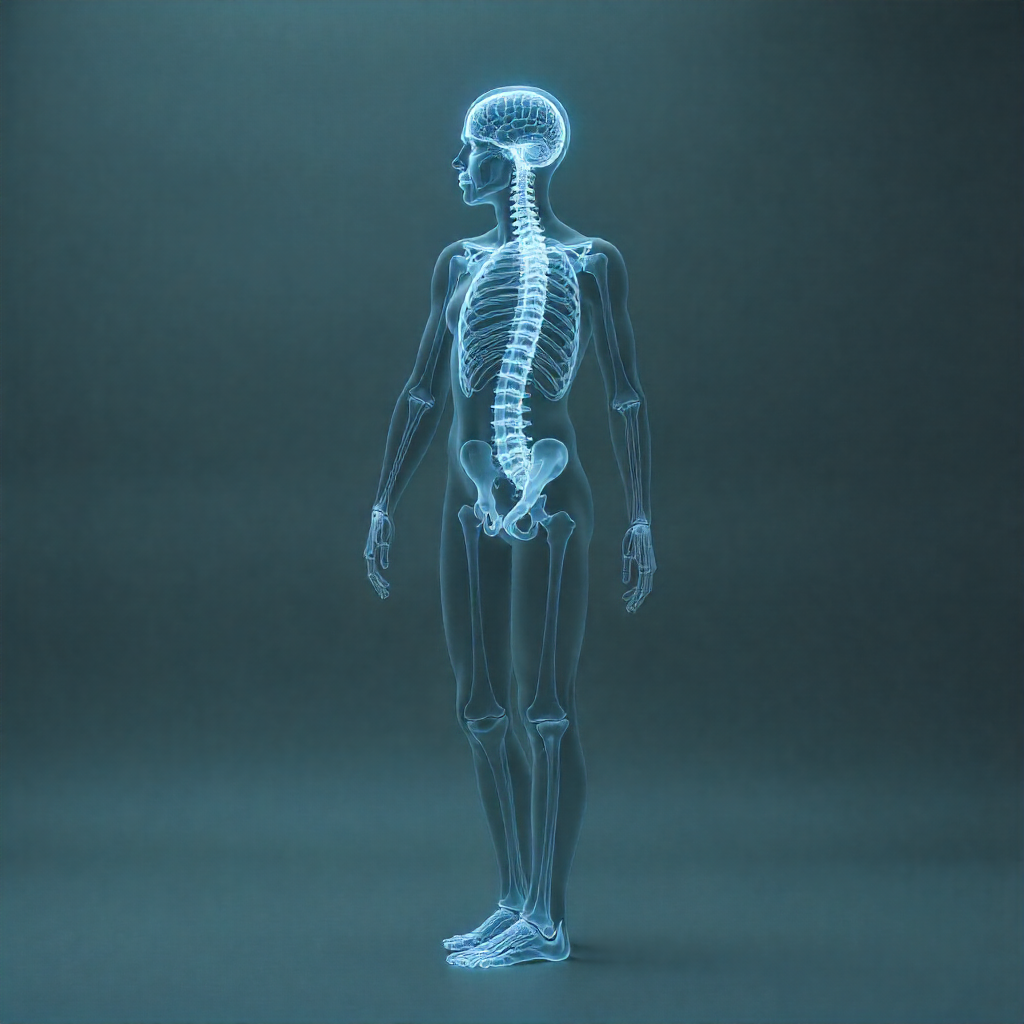
Turns out the body has a memory card of its own. Brains store facts. Bodies store the plot twists…
Memory isn’t just something that lives in the mind rent free. Our bodies remember too in ways that shape how we move, react, heal, and even feel. When people say, *“It’s like riding a bike,”* they’re not being poetic. They’re describing a real biological phenomenon: the body’s ability to store knowledge, patterns, and reactions without conscious effort. But how does this work?
Muscle Memory: The Body’s Rehearsed Intelligence
When you repeat a movement often enough for example: swinging a bat, typing, dancing, driving, your nervous system becomes more efficient at performing it. This process is called muscle memory, though the memory doesn’t actually live in the muscles.
It lives in the brain and nervous system.
Here’s what happens:
- The brain forms stronger neural pathways for repeated actions.
- Over time, movements become automatic.
- Even after long breaks, the pathways reactivate quickly.
That’s why athletes can return to form faster than beginners, and why instruments or sports “come back” quicker than expected.
Emotional Memory Stored in the Body
We often think emotions live in the mind, but they leave traces throughout the body. Stress, trauma, and chronic emotional strain can:
- Tighten muscles
- Affect breathing patterns
- Lower immune response
- Influence posture
- Trigger reflexive reactions
This is why your shoulders rise when you’re anxious, or why certain environments give you a physical gut feeling. The body encodes emotion through hormones, muscle tension, and nervous-system responses, forming patterns that can persist long after the trigger is gone.
Cellular Memory and Biological Imprints
Beyond nerves and muscles, each cell carries a form of memory.
Cells remember through:
- Epigenetic tags: tiny molecular switches that turn genes on or off based on experience
- Immune memory: how your body remembers viruses and responds faster the next time
- Healing patterns: how tissues repair based on previous injuries.
This is why your immune system reacts more quickly to a virus you’ve encountered before; your cells literally remember the invader.
Habit Memory: The Body’s Predictable Rhythms
Daily routines influence physical behaviors in deep ways:
- Sleep wake cycles
- Hunger cues
- Energy patterns
- Automatic habits (example: biting nails, pacing, stretching)
The brain stores these habits in the [basal ganglia](https://doi.org/10.1038/nrn1919), which acts like the autopilot of the body. Once a habit is ingrained, the body anticipates actions before you consciously think about them.
Pain Memory: When the Body Over-Remembers
Bodies remember. Sometimes too well… Chronic pain can persist even after an injury heals because:
- Nerves become hypersensitive
- The brain keeps signaling danger even when none exists
- Pain pathways strengthen with repetition.
This is known as [pain memory](https://doi.org/10.1016/0304-3959(90)90002-U), the body’s protective system becoming overprotective.
So, What Does It Mean That the Body Remembers?
It means our bodies are not passive shells. They are active archives of every step, emotion, lesson, habit, and injury we've ever lived through. They remember:
- How to move
- How to heal
- How to protect
- How to react
- How to repeat
Understanding these forms of memory helps us train better, heal deeper, and become more aware of how experiences shape us physically not just mentally.
#fitgirlfly #stayfitandfly