

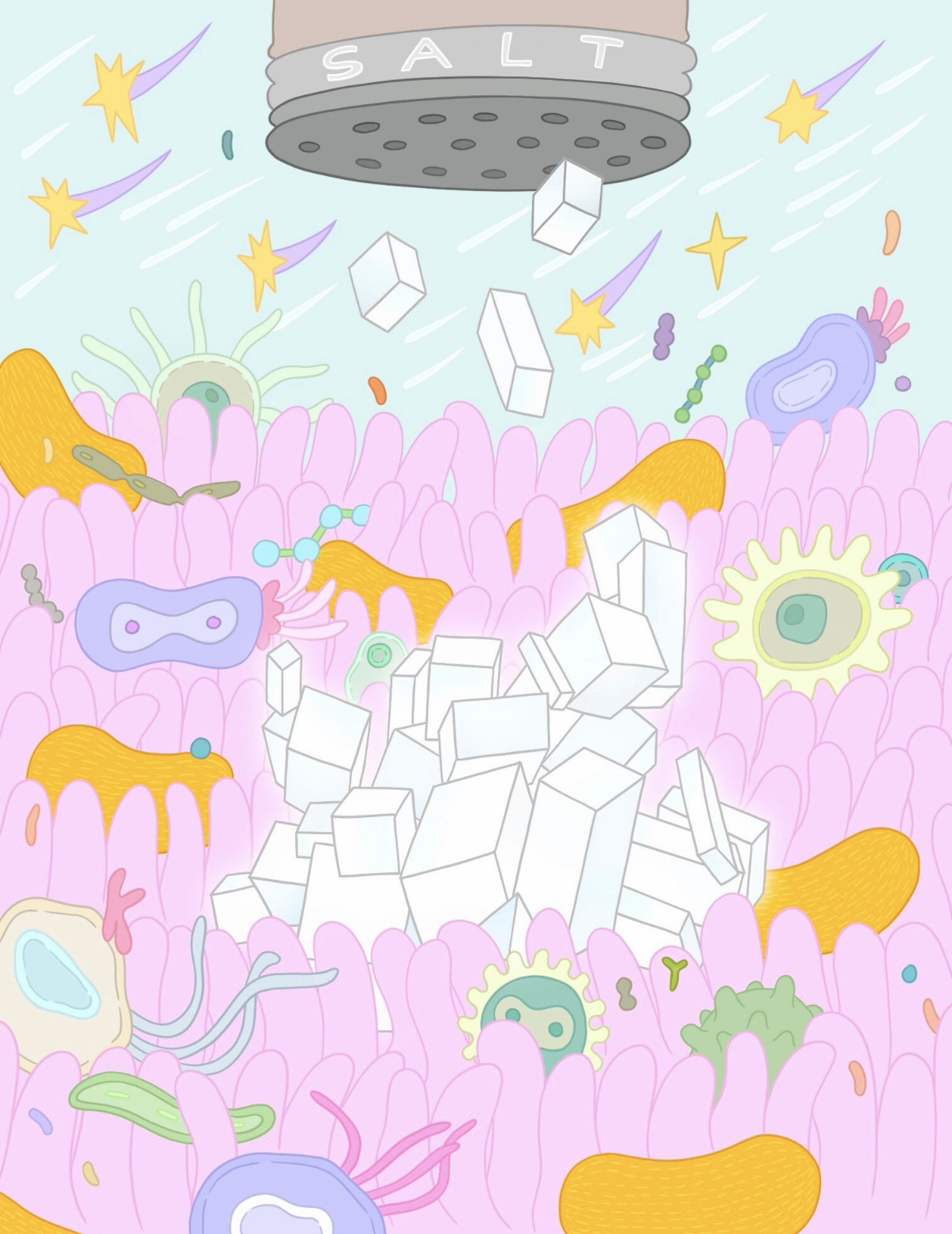
My aunt is an incurable junk food junkie. If she could, she’d eat peanut M&M’s for breakfast, Doritos for lunch, and frozen pizza for dinner every day. Despite her lifestyle choices, she’s 87 years old and somehow hanging in there—but she does have type 2 diabetes, cardiovascular disease, and mobility issues as a result. To stave off more trips to the hospital, the medical staff at her nursing home have put her on a low-sodium diet. One of the keys to this diet is a little blue-and-white packet I recently noticed on her dinner tray. It was an organic, sodium-free seasoning blend that my aunt declared to be “really good.”
I took her opinion with, well, a grain of salt. Then I tasted the stuff. Made up of assorted dehydrated whole foods (onions, garlic, carrot, tomato), spices, and citrus peel, along with citric acid and lemon oil for oomph, it tasted both tangy and deeply savory. I wouldn’t have minded it on roast chicken or fish. That little packet got me thinking: How often do I reach for the salt cellar when other flavorings might also enhance the food I’m cooking? What about my own junk food snacking? Or my professional habit of restaurant dining, where the food is seasoned for maximum pizzazz? Though I make most of my family’s meals at home, I still crave a bag of salty chips, and I certainly love to go out to eat. My blood pressure is normal. I’m in good health. But if salt is a problem for my heart-frail aunt, might it also be a problem for me?
Read more here